Christmas Illustrations & Xmas Images for Creative Projects
The Hand-Drawn Difference in Your Holiday Design Assets
When December rolls around, the digital space floods with generic, overly polished Christmas graphics. You know the ones—perfectly symmetrical snowflakes, vectorized Santas that feel more corporate than cozy, and clipart sets that look like they were generated from the same five templates. There’s a reason these assets blend into the background noise of holiday marketing. They lack the warmth, texture, and human touch that makes seasonal design resonate with people on an emotional level.
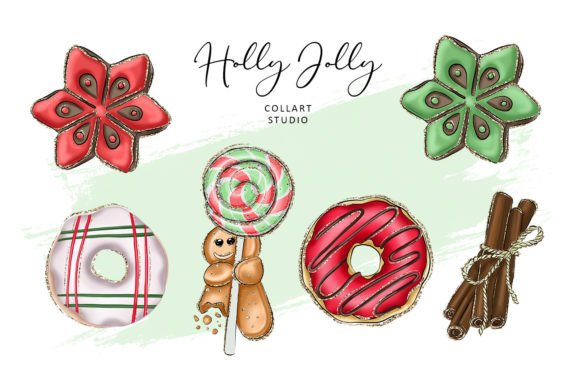
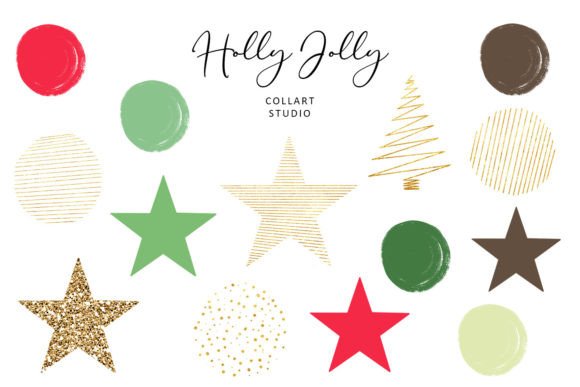
This is precisely where the Christmas Illustrations, Xmas Images collection from Collart Studio shifts the conversation. These aren’t mass-produced vector graphics pulled from a stock library. Each of the 14 separate PNG images in this set was hand drawn and painted by actual artists, which means you’re working with original artwork that carries visible brushstrokes, subtle imperfections, and the kind of organic energy that digital tools struggle to replicate. The difference shows up immediately in your projects—whether you’re designing planner stickers, crafting invitations, or building out a holiday brand identity for a client.
Understanding the Visual Character of Hand-Drawn Clipart
The personality of these Christmas illustrations leans into a warm, artisanal aesthetic. Think of the visual language you’d find on a hand-lettered holiday card from a boutique stationery shop, or the kind of textured imagery that makes a scrapbook page feel genuinely personal. The line work has that slight unevenness that signals real human creation, while the painted elements bring depth and richness you won’t find in flat, digitally rendered alternatives.
At 300 dpi with the largest images measuring approximately 3000×3000 pixels (that’s 8×8 inches), these files give you serious flexibility. You can scale them down for tiny planner stickers without losing detail, or print them at full size for wall art and poster projects. The PNG format with transparency means you can layer these illustrations over any background—patterned paper, solid colors, photographs—without dealing with awkward white boxes or jagged edges around the artwork.
This matters more than you might think. When you’re assembling a cohesive set of holiday materials—say, matching tags, cards, and social media graphics for a small business promotion—the ability to seamlessly integrate hand-drawn elements into different layouts saves hours of troubleshooting. You’re not fighting the assets; you’re working with them.
Print and Physical Craft Applications
For anyone working in scrapbooking, card making, or DIY paper crafts, hand-drawn Christmas illustrations fill a gap that stock imagery simply can’t address. The texture and warmth of painted clipart translates beautifully to physical products. Imagine printing a set of gift tags featuring these illustrations on kraft paper—the handmade quality of the art pairs naturally with the tactile feel of textured cardstock. Decoupage projects benefit enormously from this kind of imagery too, since the organic style of hand-painted elements blends seamlessly with mixed-media techniques.
Planner stickers represent another strong application. The planner community has grown into a genuine market, and enthusiasts in this space actively seek out unique, artisan-style stickers that stand apart from mass-produced options. These Christmas images, sized appropriately and printed on sticker paper, offer exactly that differentiation.
Digital Design and Brand Work
Here’s where things get interesting from a professional design perspective. If you’re a blogger, content creator, or small business owner building holiday campaigns, incorporating hand-drawn illustrations into your web design and social media graphics creates an immediate visual distinction. Most brands default to the same stock photo aesthetic during the holidays—red and green color palettes, generic winter scenes, predictable typography. Using original, hand-painted clipart signals that your brand pays attention to detail and values authenticity.
For packaging design and editorial projects, these illustrations work particularly well when paired with complementary typefaces. A clean sans serif font grounds the organic quality of the hand-drawn elements, while a script font can amplify the festive, personal feel. The key is creating contrast between the illustration style and your typography choices—too much visual similarity and everything blurs together; thoughtful tension between elements creates hierarchy and keeps the viewer engaged.
Commercial and Marketing Use
Entrepreneurs and marketers should pay attention to the commercial licensing angle. These aren’t decorative afterthoughts—they’re legitimate design assets that can elevate holiday product lines, seasonal marketing materials, and branded content. A small bakery, for instance, could use these Christmas illustrations across menu designs, social media posts, window signage, and customer loyalty cards, creating a unified visual story throughout the holiday season.
Practical Guidance for Working with This Collection
Before incorporating any clipart set into your workflow, test the assets against your specific project requirements. Pull a few of the PNG files into your design software and experiment with scaling, color adjustments, and layering. Hand-drawn artwork sometimes responds differently to digital manipulation than vector graphics—certain details may soften when enlarged, or painted textures might shift slightly with color correction. Understanding these behaviors early prevents frustration during deadline-driven production.
Consider your font pairings carefully. Since these Christmas illustrations carry a distinctly handmade quality, typefaces that feel too rigid or overly geometric can create visual dissonance. A handwritten font might seem like the obvious match, but pairing organic illustration with a structured serif or clean sans serif often produces more sophisticated results. The contrast keeps the overall design from feeling overly casual while still honoring the artisan character of the artwork.
Finally, think about consistency across your project. With 14 images in the set, you have enough variety to maintain visual interest without repeating the same element everywhere. Map out which illustrations will anchor your primary materials—like a hero image for a card or poster—and which will serve supporting roles in tags, stickers, or background accents. This kind of intentional asset planning separates cohesive holiday design from a collection of unrelated seasonal graphics.